
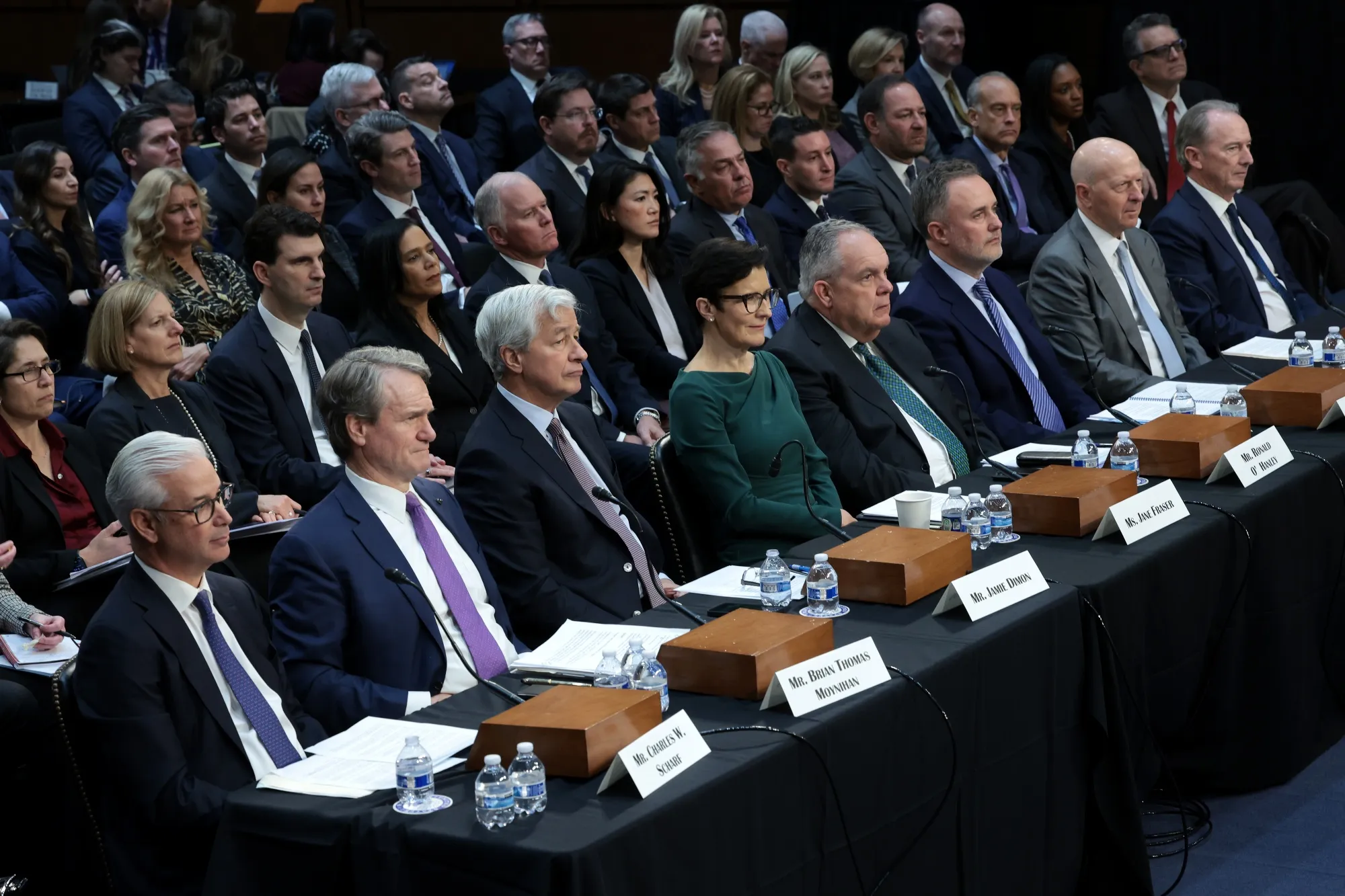
7 Shocking Billionaires Linked to Epstein Scandal
The phrase Billionaires Linked to Epstein continues to spark intense public debate across the United States. Years after Jeffrey Epstein’s 2008 conviction, questions remain about how powerful financial figures maintained connections with him despite widespread scrutiny.
Understanding the Billionaires Linked to Epstein requires a deeper look into elite financial networks, reputational risk management, and the culture of wealth protection that exists at the highest levels of global finance.
This investigation explores how influence, money, and access intersected in one of the most disturbing scandals of modern American history.
Who Was Jeffrey Epstein and Why Does It Matter?

Jeffrey Epstein was a financier whose name became synonymous with scandal, abuse allegations, and high-level social access. After his 2008 conviction related to sex offenses, many assumed his influence would disappear.Instead, discussions about Billionaires Linked to Epstein intensified, especially as reports revealed that certain wealthy individuals continued interacting with him.The central question is not only about social connections — but about financial relationships, advisory roles, and reputational blind spots.
The 2008 Conviction and Its Aftermath
Epstein’s 2008 plea deal allowed him to serve limited jail time under controversial circumstances. After this conviction, one would expect powerful figures to distance themselves immediately.
However, investigations later revealed that some members of the elite financial world maintained contact.
The existence of Billionaires Linked to Epstein after 2008 raises serious ethical and reputational concerns:
- Did financial gain outweigh moral responsibility?
- Were business opportunities prioritized over public accountability?
- Did wealth create a shield against scrutiny?
These questions fuel ongoing debate in the United States.
How Financial Networks Protect the Powerful
Elite financial circles operate on trust, exclusivity, and private agreements. Billionaires Linked to Epstein were often part of overlapping networks involving:
- Private equity firms
- Philanthropic foundations
- Global investment funds
- Exclusive social clubs
These networks can blur the line between professional association and personal endorsement.
In high finance, access to influential individuals is currency. Epstein positioned himself as a connector — someone who introduced billionaires to academics, politicians, and global leaders.
This ecosystem made it easier for Billionaires Linked to Epstein to maintain associations under the guise of business or philanthropy.
Why Some Billionaires Maintained Contact
There are several reasons analysts cite when discussing Billionaires Linked to Epstein:
1️⃣ Financial Advisory Services
Epstein reportedly positioned himself as a financial strategist. Some billionaires claimed meetings were strictly business-related.
2️⃣ Reputation Risk Miscalculation
Wealthy individuals often believe scandals will fade over time. This overconfidence can lead to poor judgment.
3️⃣ Elite Social Circles
In ultra-wealthy communities, relationships are often interconnected. Distancing from one individual may disrupt broader networks.
4️⃣ Power Dynamics
Some Billionaires Linked to Epstein may have underestimated the long-term impact of continued association.
The Role of Private Banking Institutions
US Iran Talks in Geneva: Key Updates, Context & Global Impact (2026)

Beyond individuals, financial institutions also faced scrutiny.
Banks that serviced Epstein after his conviction became part of the broader conversation about Billionaires Linked to Epstein. Financial compliance systems are designed to flag high-risk clients, yet questions emerged about how such relationships continued.
This highlights a larger issue within wealth management:
When a client generates significant revenue, internal risk controls can face pressure.
For USA audiences, this raises uncomfortable but necessary questions about regulatory enforcement and financial transparency.
Public Backlash and Reputation Collapse
When investigations intensified, many Billionaires Linked to Epstein faced:
- Public criticism
- Corporate board pressure
- Shareholder concerns
- Media investigations
In today’s digital age, reputational damage spreads rapidly. Wealth no longer guarantees immunity from scrutiny.
The Billionaires Linked to Epstein story demonstrates how public accountability can catch up, even years later.
Wealth, Power, and Moral Responsibility
The issue of Billionaires Linked to Epstein goes beyond individual names. It reflects a systemic pattern:
- Extreme wealth concentrates influence
- Influence reduces oversight
- Reduced oversight increases risk
When powerful individuals operate within closed circles, ethical blind spots can develop.
For the American public, the debate centers on whether financial elites are held to the same standards as ordinary citizens.
The Cultural Impact in the United States
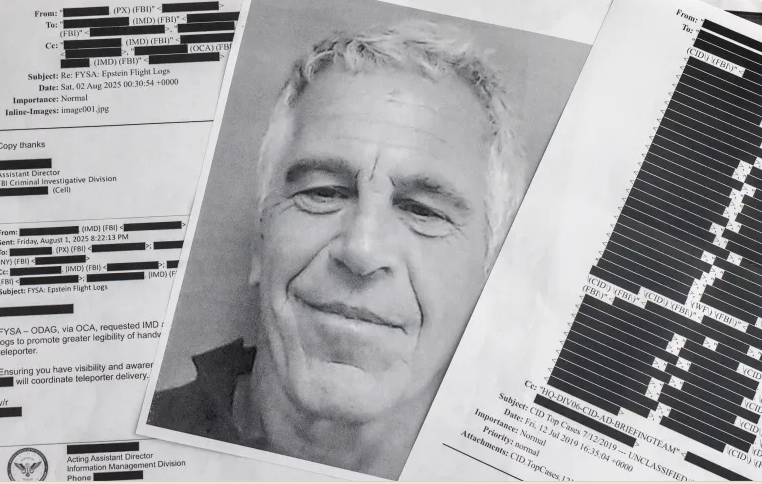
The story of Billionaires Linked to Epstein became symbolic of a broader cultural concern:
Is there a different rulebook for the ultra-wealthy?
Across the USA, public trust in institutions has been affected by cases involving powerful figures avoiding accountability.
This scandal reinforced perceptions of:
- Unequal justice
- Regulatory gaps
- Elite protection networks
Such narratives resonate strongly with American voters and consumers.
Lessons from the Billionaires Linked to Epstein Scandal
The scandal provides critical lessons:
✔ Transparency Matters
Opaque financial structures create suspicion.
✔ Reputation Is Fragile
Years of success can collapse quickly.
✔ Compliance Must Be Enforced
Regulatory frameworks must apply equally.
✔ Moral Distance Is Not Enough
Claiming limited association does not eliminate responsibility.
Final Analysis: Why This Story Still Matters
The phrase Billionaires Linked to Epstein continues trending because it represents more than a scandal — it symbolizes the intersection of money, power, and accountability.
Even years after his death, the network surrounding him remains under examination.
For USA audiences, this story remains relevant because it challenges assumptions about fairness within the financial system.
Wealth may open doors — but it also invites scrutiny.
And in the digital era, scrutiny never truly disappears.







Leave a Reply