
Introduction — Brazil Lula Maduro Trial Venezuela Political Shift
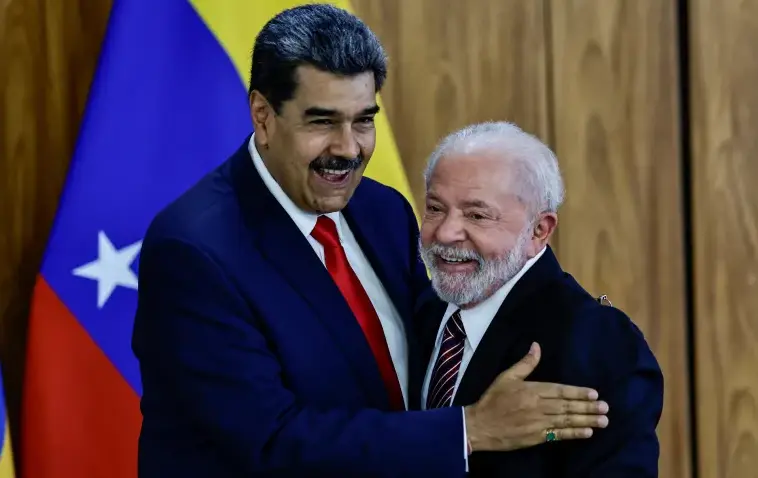
The Brazil Lula Maduro Trial Venezuela debate has become one of the most important international political developments shaping global diplomacy in 2026. Brazilian President Luiz Inácio Lula da Silva recently stated that Venezuelan leader Nicolás Maduro should face trial — but only in Venezuela, not in the United States.
This statement has triggered intense debate worldwide about national sovereignty, foreign intervention, international law, and Latin America’s political future. The issue goes far beyond one legal case. Instead, it reflects changing global power dynamics, diplomatic tensions, and growing divisions over how justice should be handled between nations.
For global observers, policymakers, and analysts, the Brazil Lula Maduro Trial Venezuela situation reveals deep questions about democracy, international authority, and regional independence.
Brazil Lula Maduro Trial Venezuela — What Exactly Happened?
The Brazil Lula Maduro Trial Venezuela situation emerged after reports that Venezuelan President Nicolás Maduro was detained by United States forces and taken to the United States to face legal charges.
Brazil’s president responded strongly, emphasizing three major points:
- Maduro should face justice if necessary
- The trial must occur in Venezuela
- Foreign interference threatens sovereignty
Lula argued that national legal systems should handle domestic political issues rather than external powers imposing judicial authority.
His position reflects Brazil’s long-standing diplomatic stance of non-intervention and respect for national independence.
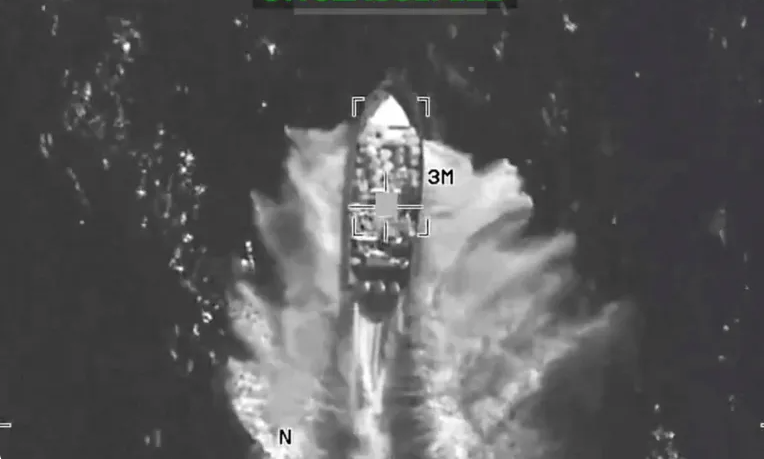
US Military Vessel Attack Pacific Ocean: 3 Shocking Deaths Reported
Brazil Lula Maduro Trial Venezuela — Lula’s Core Argument
National Sovereignty Comes First
Lula emphasized that sovereignty remains a fundamental principle in international relations. According to his view:
- Every country must control its legal system
- Foreign military actions risk destabilizing regions
- External political interference sets dangerous precedents
He stressed that allowing foreign powers to detain another nation’s leader creates global instability.
Democracy Should Be Restored Internally
Lula also highlighted that Venezuela’s future should be determined by its own people.
He argued:
- Democratic reform must come from within
- External pressure rarely creates lasting stability
- Citizens must decide their political future
This approach reflects Brazil’s historical position supporting regional autonomy.
Brazil Lula Maduro Trial Venezuela — US Involvement and Controversy
The role of the United States has made the situation highly controversial.
Critics argue that:
- Military involvement in another country violates international norms
- Legal jurisdiction becomes unclear
- Political motivations may influence legal decisions
Supporters of US actions, however, claim international justice sometimes requires global intervention when national systems fail.
This disagreement continues to shape global reactions.
Breaking 2026 Trump Supreme Court Tariff Ruling Sparks Political Clash
Brazil Lula Maduro Trial Venezuela — Impact on Latin America Politics
The Brazil Lula Maduro Trial Venezuela situation has significant implications across Latin America.
Regional Unity vs External Influence
Many Latin American nations share concerns about foreign intervention due to historical experiences involving external political influence. The region has a long memory of military coups and political disruptions linked to foreign powers.
Lula referenced this history when explaining Brazil’s position.
Diplomatic Balance in South America
Brazil plays a central leadership role in South America. Its response influences regional policy direction, including:
- Economic cooperation
- Security coordination
- Political alliances
Brazil’s stance may encourage other nations to defend sovereignty more strongly.
Breaking 2026 Iran US Military Build Up Nuclear Deal Near Agreement
Brazil Lula Maduro Trial Venezuela — Legal Questions
The situation raises complex international legal issues.
Jurisdiction Debate
Key questions include:
- Can one nation legally prosecute another nation’s leader?
- Who controls international criminal accountability?
- How should international law handle cross-border political crimes?
Legal scholars remain divided on these issues.
International Law and Precedent
If foreign powers regularly capture leaders abroad, global governance structures could change significantly.
Possible consequences include:
- Increased global conflict
- Diplomatic breakdowns
- Weakening of national legal systems
This explains why the Brazil Lula Maduro Trial Venezuela debate carries global importance.
Brazil Lula Maduro Trial Venezuela — Global Reactions
Different countries have reacted differently to Lula’s statement.
Support for Sovereignty
Some nations support Brazil’s position, emphasizing:
- National independence
- Non-intervention principles
- Diplomatic solutions
Support for International Accountability
Others argue that international prosecution may be necessary to ensure justice when domestic systems fail.
This global division reflects broader ideological differences.
Brazil Lula Maduro Trial Venezuela — Economic Implications
Political tensions between major nations often affect global markets.
Potential economic effects include:
- Trade disruptions
- Regional investment uncertainty
- Currency instability
- Energy market impact
Venezuela’s oil reserves make the situation economically significant.
Brazil Lula Maduro Trial Venezuela — Future US-Brazil Relations
The issue could reshape diplomatic relations between Brazil and the United States.
Possible outcomes include:
- Negotiations and diplomatic discussions
- Trade adjustments
- Political disagreements
- Strategic cooperation changes
Brazil seeks respectful dialogue while protecting its sovereignty.
Breaking: 7 Facts About Young Palestinian Shot Killed by Israeli Settlers

Brazil Lula Maduro Trial Venezuela — Human Rights Debate
Human rights organizations also play an important role in this issue.
Some groups argue:
- Leaders must be accountable for alleged crimes
- Justice should not depend on national borders
Others emphasize:
- Fair legal process requires national jurisdiction
- Political interference risks injustice
This debate remains unresolved.
Brazil Lula Maduro Trial Venezuela — Historical Context
Latin America has experienced decades of political interventions, military coups, and external influence. These historical experiences shape current policy decisions.
Brazil’s leadership continues to prioritize:
- Peaceful diplomacy
- Regional stability
- National independence
The Brazil Lula Maduro Trial Venezuela position reflects these priorities.

Brazil Lula Maduro Trial Venezuela — Geopolitical Power Dynamics
The situation also highlights changing global power structures.
Multipolar World Order
Countries increasingly challenge traditional global power structures. Brazil’s stance signals growing independence among emerging economies.
Strategic Global Positioning
Nations now balance:
- Economic interests
- Political influence
- Security partnerships
This makes the Brazil Lula Maduro Trial Venezuela debate part of a larger global transformation.
Brazil Lula Maduro Trial Venezuela — Possible Future Scenarios
Several outcomes remain possible:
- Diplomatic negotiations resolve tensions
- Venezuela conducts domestic legal proceedings
- International legal institutions become involved
- Political conflict intensifies
The direction will shape future international relations.
Brazil Lula Maduro Trial Venezuela — Expert Analysis
Political analysts suggest the situation represents:
- A test of global legal authority
- A challenge to US foreign policy
- A demonstration of Brazil’s growing influence
- A turning point in regional diplomacy
Experts believe the issue will continue affecting international politics.
Conclusion — Why Brazil Lula Maduro Trial Venezuela Matters
The Brazil Lula Maduro Trial Venezuela situation is more than a legal dispute. It represents a fundamental debate about sovereignty, democracy, and global justice.
Brazil’s position reflects a broader shift toward national independence and regional authority. Meanwhile, the United States emphasizes international accountability.
As global tensions evolve, the outcome will shape international law, diplomacy, and global political relationships for years to come.
The world now watches how this complex situation unfolds.





Leave a Reply