
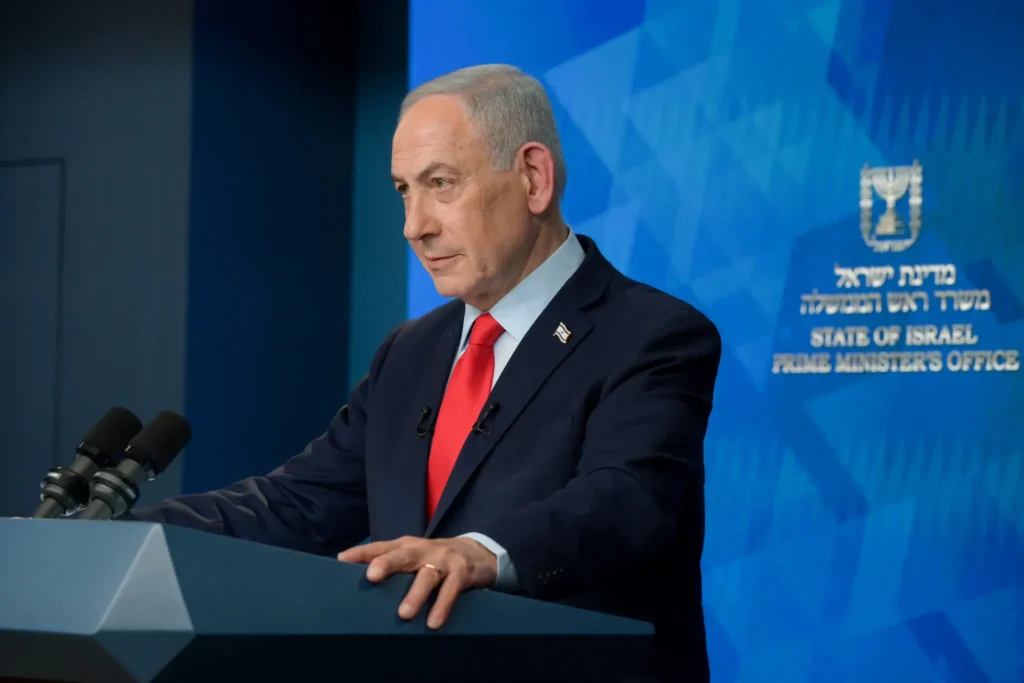
10 Critical Facts on Israel’s Demand in the Iran Nuclear Deal Debate
1. Israel Makes Strong Nuclear Deal Demand
Israeli Prime Minister Benjamin Netanyahu announced that any nuclear deal with Iran must require dismantling the entire Iranian nuclear programme — not just pausing uranium enrichment. His position came amid renewed U.S.-Iran negotiations in Geneva.
2. Demand Goes Beyond Temporary Limitations
Netanyahu stressed that stopping enrichment alone is not enough; Israel wants all enrichment material removed and infrastructure that enables enrichment dismantled — a position that goes beyond Tehran and Washington’s public negotiation aims.
10 Urgent Facts on Israel West Bank Land Registration 2026

3. Speaks Ahead of Second Round of Talks
The remarks were made just before a second round of nuclear talks between the U.S. and Iran — talks that Tehran hopes will ease economic sanctions and lead to a diplomatic agreement with Washington.
4. U.S. May Be Pushed Toward Harder Terms
Netanyahu’s intervention signals stronger Israeli pressure on the U.S., urging Washington to adopt a tougher stance on Iran’s nuclear capabilities and related ballistic missile programme.
5. Iran Has Not Agreed to Full Dismantling
Iran’s negotiators emphasize economic incentives and sanctions relief. Tehran insists it won’t accept a demand that eliminates all enrichment or critical nuclear infrastructure — a major sticking point.
6. Enriched Uranium Must Leave Iran, Say Israeli Officials
Netanyahu also voiced that all enriched uranium must leave Iran entirely, not just halt further enrichment — a demand likely to complicate diplomatic negotiations further.
7. U.S. Military Presence in Region Grows
As negotiations continue, the U.S. has deployed additional military assets to the Middle East as a precautionary measure — showing that diplomacy is taking place under heightened regional tensions.
8. Israel Connects Nuclear Deal to Broader Security Issues
Netanyahu tied the need for dismantling Iran’s nuclear programme to other security concerns, including ballistic missiles and regional militias, making this stance part of a wider strategy.
9. Israel Suggests Shift From U.S. Aid to Partnership
In the same speech, the Israeli leader floated phasing out U.S. military aid over the next decade to transition toward a “partnership.” This reveals a broader shift in Israel’s strategic thinking tied to the nuclear debate.
10. Debate Could Shape Global Security Policy
This demand comes at a critical juncture in Middle East diplomacy — a moment that could shape U.S. foreign policy, international sanctions strategies, and the future of Iran’s role in global nuclear regulation.
Conclusion
Israel’s call for a complete dismantling of Iran’s nuclear programme in any future U.S.-Iran deal represents one of the most assertive positions in ongoing Middle East diplomacy. For a U.S. audience, understanding these 10 critical facts helps clarify how Netanyahu’s stance may influence negotiations, foreign policy, and regional security developments throughout 2026.





Leave a Reply