
10 Urgent Facts on Israel West Bank Land Registration 2026
Introduction: Why It Matters
On 15 February 2026, the Israeli government approved a highly controversial plan to register large areas of the occupied West Bank as state property — a move that critics say deepens Israeli control over Palestinian lands and violates international standards. This development is one of the most significant legal and political shifts in the region in decades.
7 Powerful Facts About Israel Land Registration System and Palestinian Dispossession
1. First Major Decision Since 1967
For the first time since Israel’s occupation of the West Bank began in 1967, the government has approved a proposal to formally begin land registration in the territory. This is a historic policy shift with far-reaching implications.
2. Plan Labeled “State Property” Registration
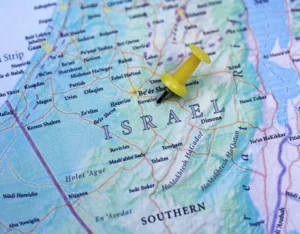
Under the new proposal, vast areas — especially in Area C of the West Bank — could be registered in the name of the state, establishing permanent ownership claims where formal titles did not previously exist.
3. Proposed by Far-Right Ministers
The initiative was put forward by Israel’s finance, justice, and defense ministers, including far-right figure Bezalel Smotrich, signaling strong political support from the ruling coalition.
4. Could Strengthen Settlements
Israeli media reported that one goal of the land registration is to enable settlement expansion — possibly settling up to 15% of Area C by 2030 — which Palestinians view as part of long-term annexation efforts.
5. Palestinians Call It “De Facto Annexation”
The Palestinian Authority and groups like Hamas condemned the decision, calling it a “de-facto annexation” of occupied territory and a violation of signed agreements and United Nations resolutions.
6. International Law Concerns
International law holds that an occupying power cannot confiscate or settle land in occupied territories. Critics argue that registering West Bank land as state property undermines this principle and could legitimize annexation.
7. Broad Global Backlash
Countries including Jordan and Qatar have strongly condemned Israel’s decision, calling it a violation of international law and urging global pressure to reverse or limit its impact.
8. Legal and Bureaucratic Barriers for Palestinians
Most Palestinian land was not formally registered before this decision, because registration stopped after 1967. The new process may be difficult for Palestinians to navigate, potentially defaulting land ownership to the state.
9. Impacts on Peace Prospects
Experts warn this land registration could further entrench the occupation and complicate future negotiations over the status of the West Bank and a potential two-state solution.
10. Seen as Next Step in Control
Analysts describe the move as part of a broader strategy to integrate West Bank territory more closely into Israeli administrative systems — a step many view as annexation by another name.
Conclusion
The Israel West Bank Land Registration decision of 2026 is more than a bureaucratic update — it is a major geopolitical development. For your U.S. audience, understanding its implications on international law, Palestinian rights, and regional stability is critical in following Middle East affairs.







Leave a Reply