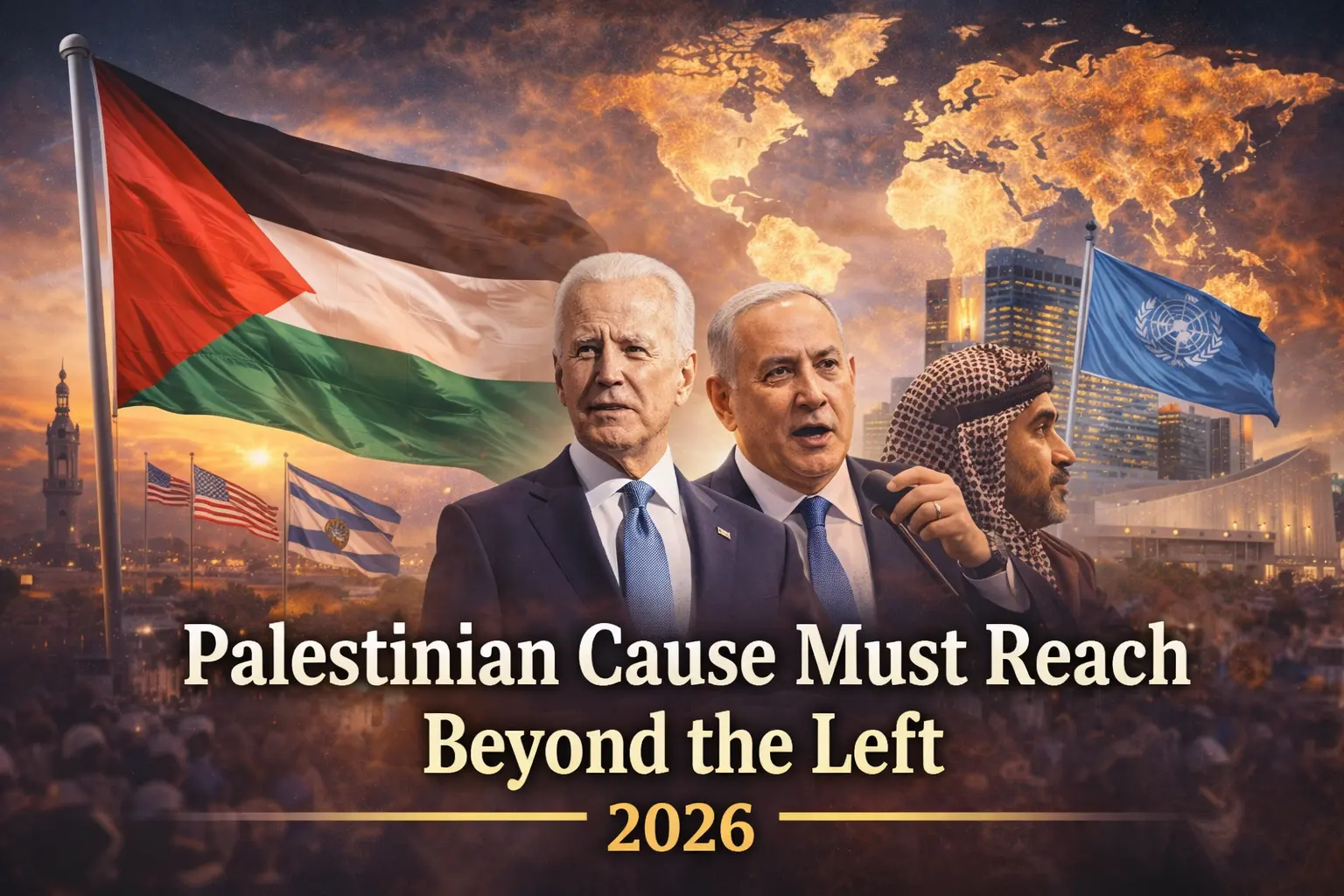
Palestinian Cause Must Reach Beyond the Left is a pressing issue in global politics. While traditionally championed by left-wing audiences, advocacy for Palestine must engage a broader demographic, including centrist and conservative policymakers, diplomats, and the general public.
With the geopolitical landscape shifting in 2026, the Palestinian cause cannot rely solely on moral appeals to one political ideology. Strategic communication, legal arguments, and international engagement are crucial for long-term impact.
Ramadan 2026 Fasting Hours Suhoor and Iftar Times Around the World

1. Understanding the Current Advocacy Landscape
Historically, the Palestinian issue has found the strongest support among progressive and left-wing groups. This focus has shaped international perception but also limited the conversation to echo chambers.
- In the USA, advocacy often aligns with progressive movements, campus activism, and media outlets sympathetic to the Palestinian narrative.
- Outside the left, policymakers may view the issue through the lens of security, diplomacy, or economic interests, requiring tailored messaging.
For the Palestinian cause to gain broader traction, advocates must expand their communication strategies beyond traditional audiences.
2. Strategic Engagement Beyond Political Lines
Palestinian Cause Must Reach Beyond the Left by targeting centrist and conservative audiences:
- Centrist policymakers respond to pragmatic and legal frameworks. Highlighting human rights, international law, and UN resolutions can be persuasive.
- Conservative audiences often prioritize security and stability. Showing how a fair resolution contributes to regional security can foster engagement.
This strategic expansion ensures advocacy efforts are inclusive and influential, not limited to one side of the political spectrum.
3. Leveraging International Law and Humanitarian Arguments
A key component of broadening support lies in legal and humanitarian framing.
- Citing UN resolutions and international law strengthens credibility across the political spectrum.
- Humanitarian arguments, such as the plight of civilians, refugees, and children, resonate universally, appealing to moral and pragmatic concerns alike.
By combining legal, ethical, and strategic perspectives, the Palestinian cause can speak effectively to diverse audiences.
4. Media and Communication Strategy
Palestinian Cause Must Reach Beyond the Left also depends on media strategy:
- Social media campaigns should highlight stories with universal appeal, such as human rights and education.
- Partnerships with global news outlets and influential thought leaders can amplify the message beyond left-leaning platforms.
- Tailored messaging ensures that policy influencers and public opinion leaders are informed, irrespective of ideology.
This approach makes advocacy more visible, credible, and persuasive.
5. Engaging the Global Community
For effective impact in 2026, the Palestinian cause must engage:
- Diaspora communities worldwide, who can act as advocates in their respective countries
- International organizations, including the UN and NGOs, to support humanitarian initiatives
- Government decision-makers beyond the left, using facts, data, and policy-focused narratives
By broadening the audience, the movement gains legitimacy, ensures wider political influence, and mobilizes global attention.
Frequently Asked Questions
Q1: Why is the Palestinian cause often associated with the left?
Historically, progressive and left-wing groups have championed human rights and anti-occupation narratives, shaping the dominant advocacy landscape.
Q2: How can conservatives support the cause?
By framing the issue around stability, peace, and international law, conservative audiences can be engaged meaningfully.
Q3: What role does international law play?
Legal frameworks such as UN resolutions provide neutral, factual arguments that transcend political ideology.
Q4: How can media campaigns expand influence?
Stories with universal humanitarian and legal appeal can reach audiences outside the traditional left-wing base, including centrist and conservative platforms.
Q5: Why is broader engagement important in 2026?
Global politics is increasingly polarized; expanding support beyond the left increases credibility, policy impact, and long-term advocacy success.
Conclusion
Palestinian Cause Must Reach Beyond the Left to achieve sustainable international support.
By engaging centrists, conservatives, global institutions, and media platforms, advocacy can go beyond echo chambers and influence policy, public opinion, and humanitarian outcomes.
Strategic communication, legal framing, and inclusive messaging are key insights for 2026, ensuring the Palestinian cause remains relevant, persuasive, and globally recognized.





Leave a Reply