
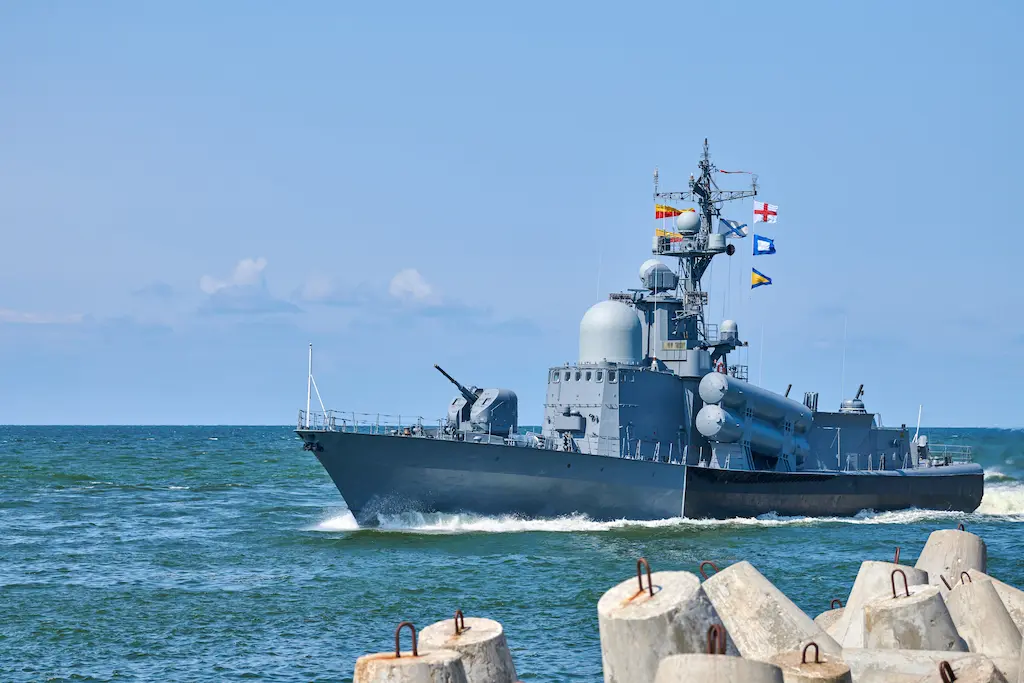
The Largest US Military Presence in the Caribbean in Decades
For the past two months, the United States military has been quietly assembling its largest Caribbean deployment in decades — an operation that includes warships, fighter jets, bombers, marines, drones, and CIA assets near the Venezuelan coast.
The mission, according to US officials, is part of an expanded campaign against drug trafficking. But analysts believe the operation’s real goal could be something much bigger — a strategic power play aimed at toppling Venezuelan President Nicolás Maduro.
B-52 Bombers and Naval Strikes Raise Regional Alarm
The B-52 long-range bombers have conducted several “bomber attack demonstrations” just off Venezuela’s coast, while guided missile destroyers and amphibious assault ships patrol the Caribbean Sea.
The Pentagon claims to have struck small vessels allegedly carrying narcotics, killing “dozens” of people. However, no evidence has been provided about the nature of these boats or those on board.
The operations have sparked international condemnation, with critics calling them unprovoked acts of aggression disguised as anti-drug missions.
CIA Deployment and Covert Strategy
Multiple intelligence reports suggest that President Donald Trump has also authorized the CIA to operate within Venezuela, escalating tensions with Maduro’s government.
According to Dr. Christopher Sabatini, a Latin America expert at Chatham House, this buildup is less about direct warfare and more about psychological pressure.
“This is about regime change. The goal isn’t invasion—it’s intimidation,” says Sabatini. “It’s designed to make Maduro’s inner circle fear betrayal from within.”
Satellite Evidence and Tracking Data
BBC Verify has been tracking publicly available satellite data and maritime radar to pinpoint the locations of US ships and aircraft in the region.
As of October 23, at least 10 US Navy vessels were identified in the area — including guided missile destroyers, amphibious assault ships, and refueling tankers.
The deployment pattern appears to shift weekly, suggesting that the US is keeping its options open for flexible military pressure or rapid-response missions if tensions escalate further.
Experts Warn of Escalation Risks
Regional analysts warn that such aggressive tactics could destabilize the Caribbean and trigger retaliation from Maduro’s allies, including Russia, China, and Iran.
They also question the legality of unilateral US strikes, which could violate international law if conducted without United Nations authorization.
Despite Washington’s claim of targeting “narco-terrorists,” the lack of evidence and the scale of deployment suggest a strategic intimidation campaign rather than a limited counter-narcotics mission.
Conclusion
The Trump administration’s growing military footprint around Venezuela raises a key question — is this truly a war on drugs, or the first step toward regime change in South America’s most troubled nation?
As US warships, bombers, and intelligence operatives continue circling Venezuela, the world watches anxiously to see whether this show of force leads to diplomacy — or confrontation.




Leave a Reply