
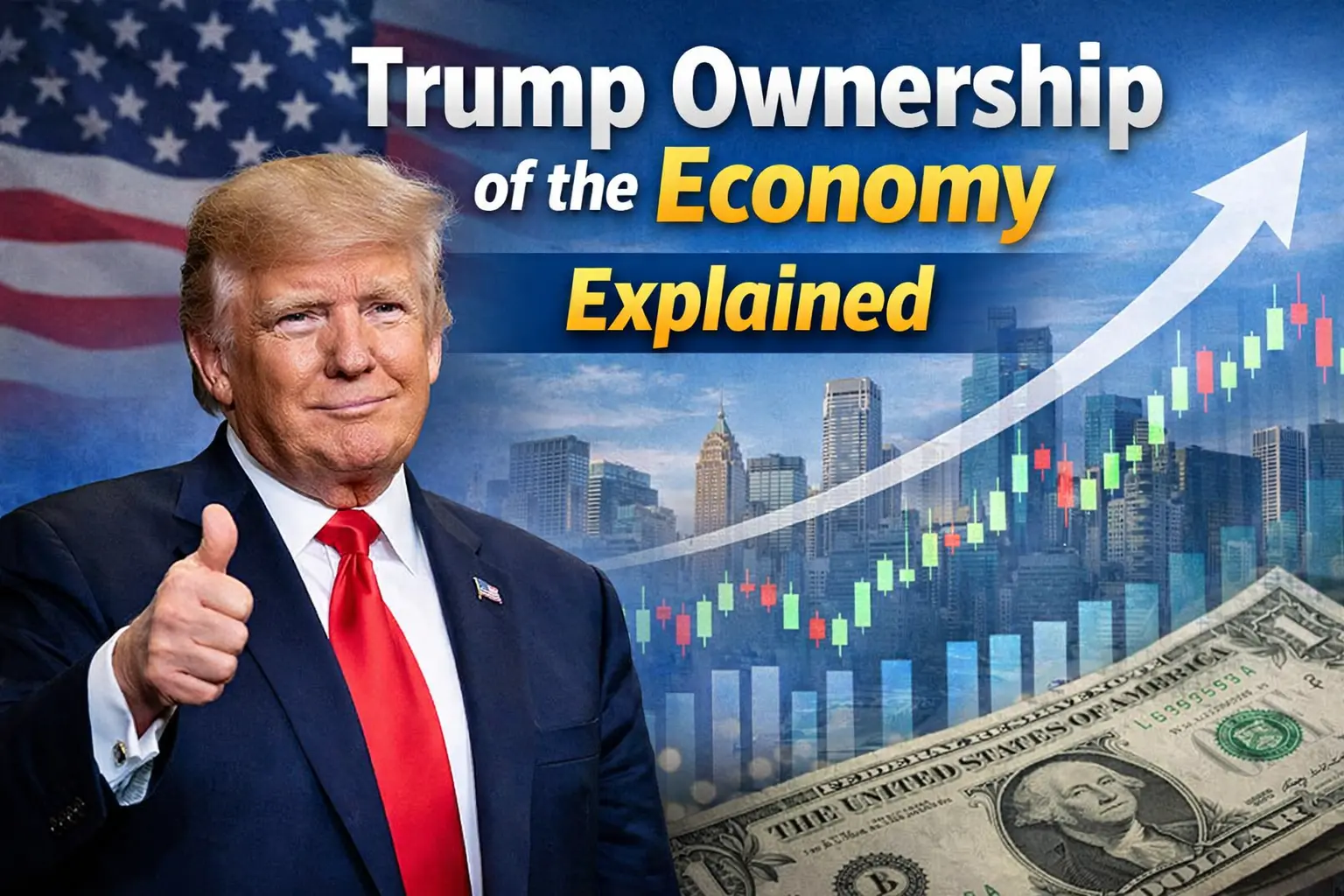
The topic of Trump Ownership of the Economy has become one of the most discussed political and economic narratives in the United States. As economic uncertainty, inflation concerns, and job market fluctuations continue, Donald Trump has openly declared his ownership of the economy, signaling confidence in his economic vision and leadership. This bold stance has sparked national debate, raising questions about accountability, policy direction, and America’s economic future.
Understanding Trump Ownership of the Economy is crucial for American voters, investors, and policymakers who want clarity on where the country’s economy is heading and who should be credited—or blamed—for its performance.
US‑Iran Oman Nuclear Talks Conclude With Future Round Planned
What Does Trump Ownership of the Economy Mean?
The phrase Trump Ownership of the Economy reflects Donald Trump’s assertion that the economic direction of the United States aligns with his leadership, ideas, and policies. By embracing this ownership, Trump positions himself as the central figure responsible for economic growth, stability, and future outcomes.
This claim sends a clear message: if the economy performs well, credit should go to Trump; if challenges arise, he is prepared to defend his approach and explain the causes.
Why Trump Ownership of the Economy Matters to Americans
For everyday Americans, Trump Ownership of the Economy is not just political rhetoric—it directly affects daily life. From grocery prices to employment opportunities, economic leadership shapes household stability.
Key areas impacted include:
- Inflation rates and cost of living
- Job creation and wage growth
- Business confidence and investments
- Stock market performance
When a leader claims ownership, it creates expectations and accountability, making economic results more politically significant.
Trump Ownership of the Economy and Job Creation
One of the strongest arguments supporting Trump Ownership of the Economy is job growth. Trump has consistently emphasized employment numbers, manufacturing revival, and business expansion as indicators of economic success.
Supporters argue that Trump’s economic policies encourage:
- Small business growth
- Corporate investment
- Manufacturing sector revival
- Reduced unemployment rates
Critics, however, question whether these outcomes are sustainable long-term under Trump Ownership of the Economy.
US India Trade Framework Interim Deal 2026 Explained
Inflation Under Trump Ownership of the Economy
Inflation remains a top concern for American families. Within the framework of Trump Ownership of the Economy, inflation control is presented as a priority through economic confidence, energy policies, and domestic production.
Trump argues that economic strength, paired with strategic decision-making, can stabilize prices. Whether inflation trends align with this vision remains central to the debate around Trump Ownership of the Economy.
Markets and Investor Confidence
Financial markets closely react to leadership claims like Trump Ownership of the Economy. Investors assess confidence, policy predictability, and long-term growth strategies when making decisions.
Trump’s economic ownership narrative aims to reassure markets by projecting certainty, strength, and experience. Supporters believe this confidence fuels investment and market growth.
Accountability and Trump Ownership of the Economy
Claiming Trump Ownership of the Economy also means accepting responsibility. Economic downturns, rising debt, or slowed growth could challenge this stance.
Accountability under Trump Ownership of the Economy includes:
- Explaining economic slowdowns
- Defending fiscal decisions
- Addressing public concerns
This level of ownership raises the stakes for political leadership and public trust.
Trump Obama Racist Post Controversy
Global Impact of Trump Ownership of the Economy
The United States economy influences global markets. Under Trump Ownership of the Economy, international trade, foreign investment, and global partnerships may shift according to Trump’s economic philosophy.
America’s global economic image is closely tied to how effectively Trump Ownership of the Economy delivers results at home.
Voter Perception and Political Impact
For voters, Trump Ownership of the Economy simplifies decision-making. Economic performance becomes a clear metric to evaluate leadership.
Supporters see ownership as confidence and strength. Critics view it as political risk. Either way, Trump Ownership of the Economy remains a decisive factor in shaping voter opinion.
Future Outlook of Trump Ownership of the Economy
Looking ahead, the success of Trump Ownership of the Economy depends on measurable outcomes:
- Stable inflation
- Strong job growth
- Economic resilience
- Market confidence
If these goals are achieved, Trump’s ownership claim could strengthen his economic legacy.
Conclusion
The concept of Trump Ownership of the Economy represents more than a political statement—it is a defining narrative for America’s economic debate. By claiming ownership, Trump places himself at the center of economic success or failure.
For Americans, understanding Trump Ownership of the Economy is essential for evaluating leadership, policy direction, and future economic stability. As economic conditions evolve, this ownership claim will remain a critical lens through which the nation measures progress.






Leave a Reply