
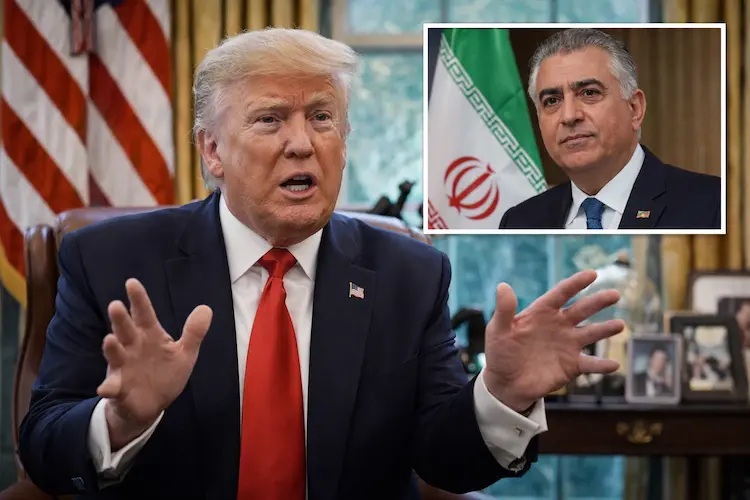
Former U.S. President Donald Trump has raised questions about whether Iranian opposition figure Reza Pahlavi can effectively gain public support inside Iran, despite ongoing protests and unrest. His cautious stance highlights the challenges facing the Iranian opposition and the uncertainties surrounding the country’s future.
In a recent Oval Office interview with Reuters, Trump described Pahlavi as “very nice” but questioned whether the Iranian people would accept him as a leader if the clerical government were to weaken or collapse. The remarks emphasize the Trump Reza Pahlavi Iran dynamic, with both international and domestic factors influencing potential leadership outcomes.
Trump Reza Pahlavi Iran: Evaluating Leadership Potential
Trump’s comments underline his cautious approach toward Trump Reza Pahlavi Iran. He stated that even if the current regime faces pressure, it remains unclear whether Pahlavi could unite the opposition or gain the trust necessary to lead. This reflects both the complexity of Iranian politics and the fragmented nature of its opposition.
Iran Opposition Leader Reza Pahlavi: Background and Challenges
Reza Pahlavi, son of Iran’s last shah, has lived in exile since the 1979 Islamic Revolution. He has emerged as a prominent voice in the Iranian opposition movement, advocating for democratic reforms and supporting anti-government protests.
Despite his global visibility, critics argue that his long absence from Iran limits his ability to influence events domestically. While monarchist groups back him, these factions make up only a portion of the fragmented opposition, making unified leadership difficult.
Trump Iran Protests and U.S. Perspective
The former president has commented frequently on Trump Iran protests, acknowledging widespread demonstrations and harsh crackdowns by Iranian authorities. Thousands of protesters have been reported killed or detained, raising concerns internationally.
Trump emphasized that while the U.S. is sympathetic to the Iranian people, it cannot guarantee the success of any opposition leader. This approach reflects a careful US stance on Iran, balancing support for democratic aspirations without imposing external leadership.
Iranian Opposition Movement: Fragmentation and Limits
The Iranian opposition movement faces significant internal divisions. Monarchists, reformists, and secular groups often disagree on strategy, which limits the ability of any single leader, including Pahlavi, to gain widespread legitimacy.
Analysts note that without strong internal coordination, even popular figures abroad may struggle to translate international recognition into domestic influence.
Iran Clerical Government Collapse: Potential Scenarios
Trump also highlighted the possibility of an Iran clerical government collapse under internal and external pressures. However, he stressed that predicting successors is speculative. Any leader, including Pahlavi, would need acceptance by Iranian citizens, rather than relying solely on international support.
US Stance on Iran and Future Implications
The US stance on Iran remains cautious. Washington continues to monitor developments and express concern about human rights violations, but avoids prematurely endorsing any individual leader.
Trump’s remarks reflect a principle of careful diplomacy: supporting Iranian aspirations for change while avoiding direct imposition of leadership, especially given the country’s fragmented opposition landscape.
While Reza Pahlavi has symbolic support internationally and among some monarchist factions, his ability to unify the opposition inside Iran is uncertain. President Trump’s comments underline the complexities facing Iran’s future leadership and highlight the limits of U.S. intervention.
The ongoing protests and political unrest will continue shaping the Trump Reza Pahlavi Iran narrative, with U.S. policymakers carefully balancing Trump Reza Pahlavi Iran for democratic aspirations against the realities of a divided opposition.




Leave a Reply